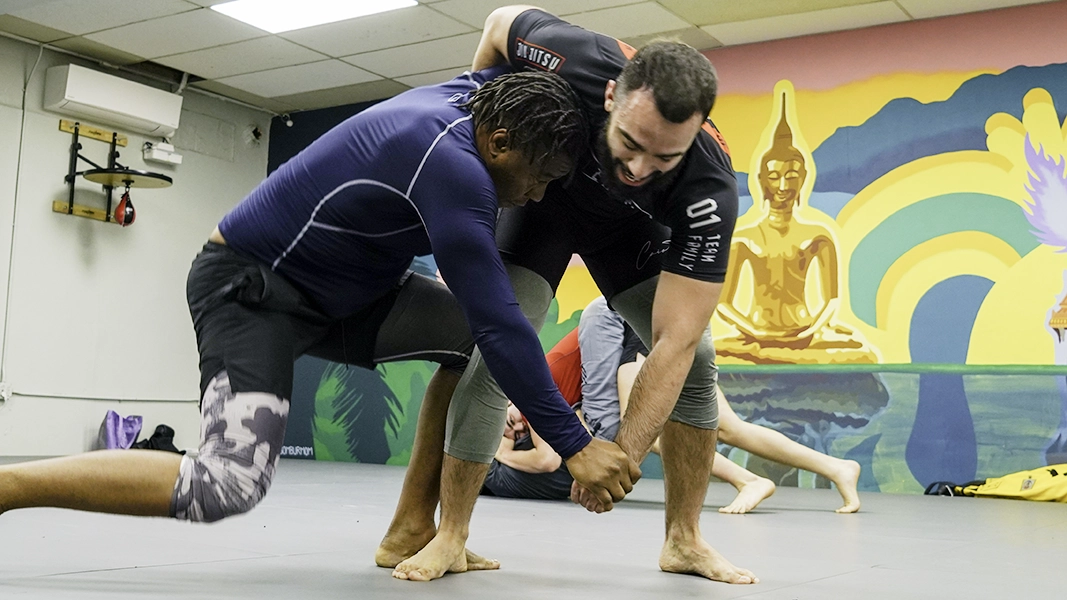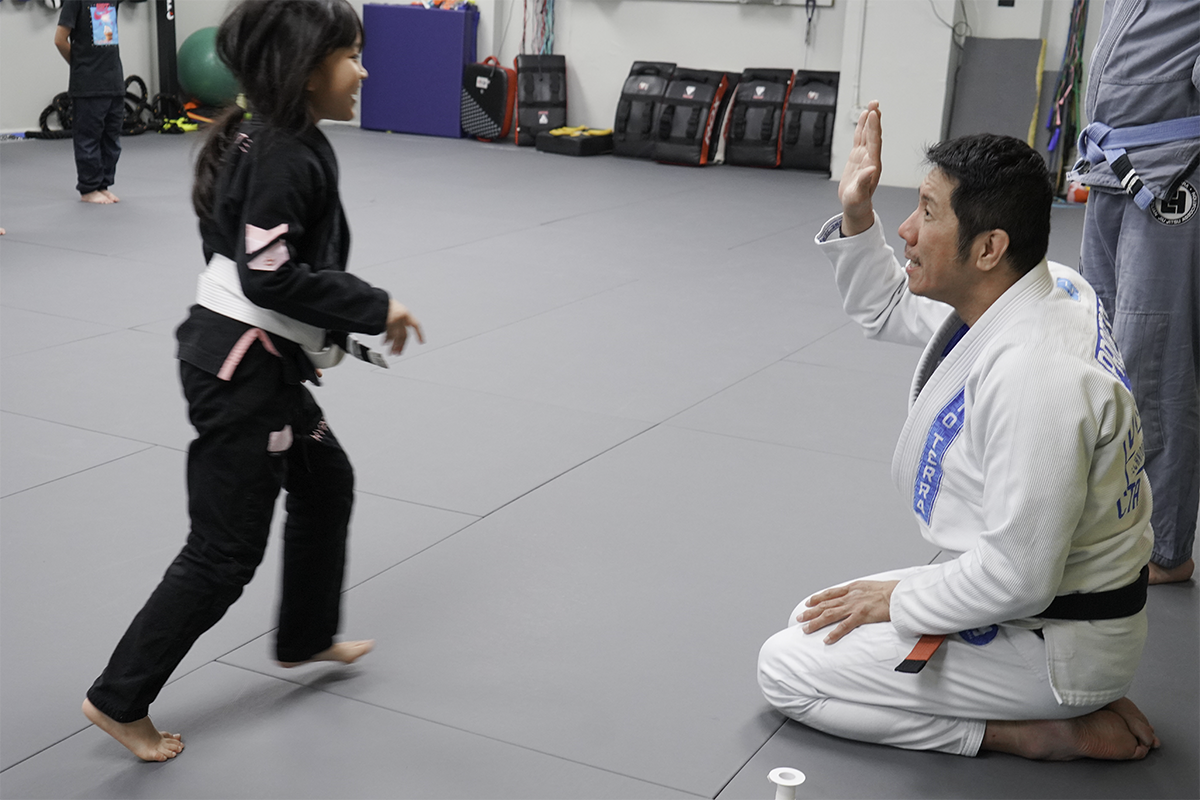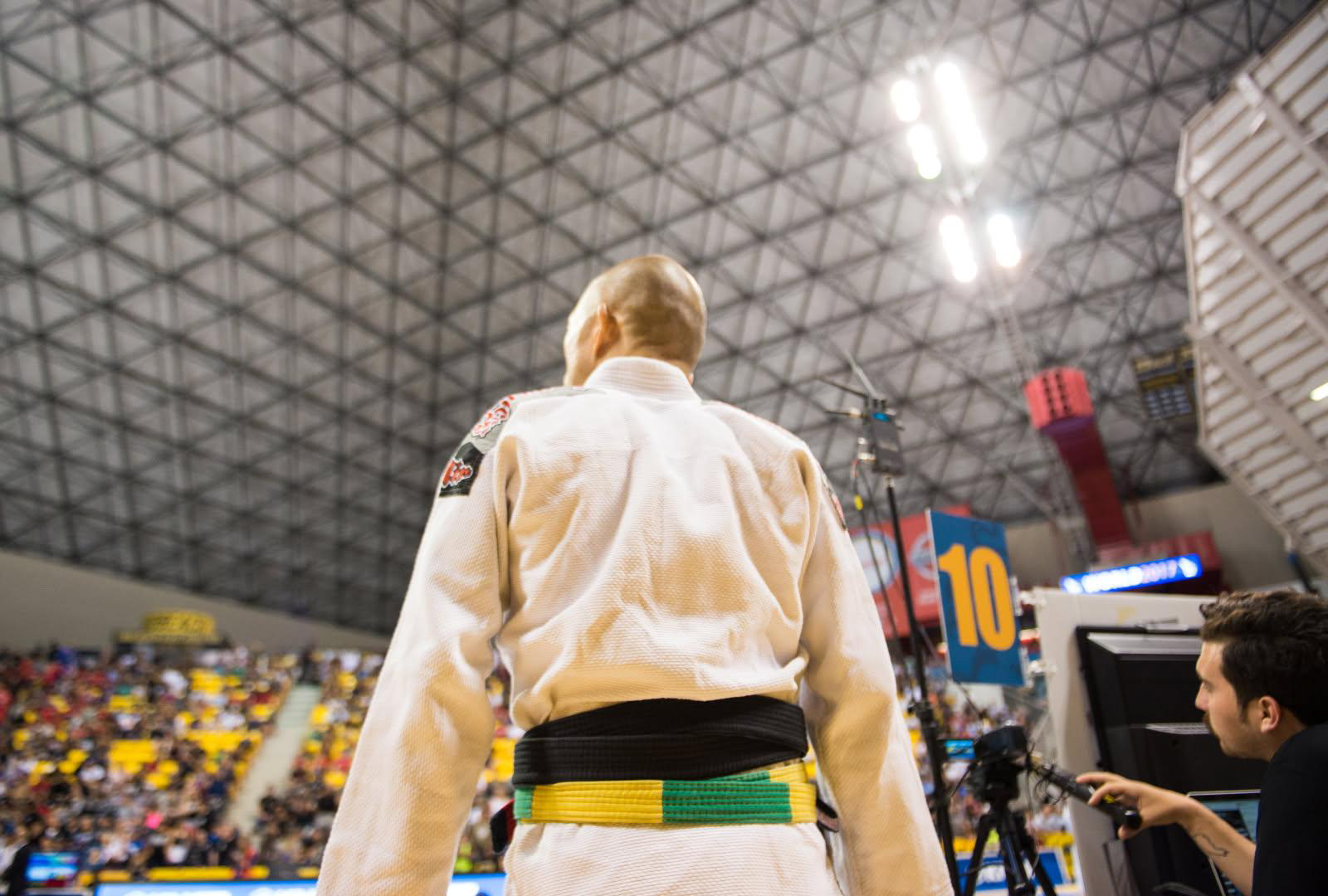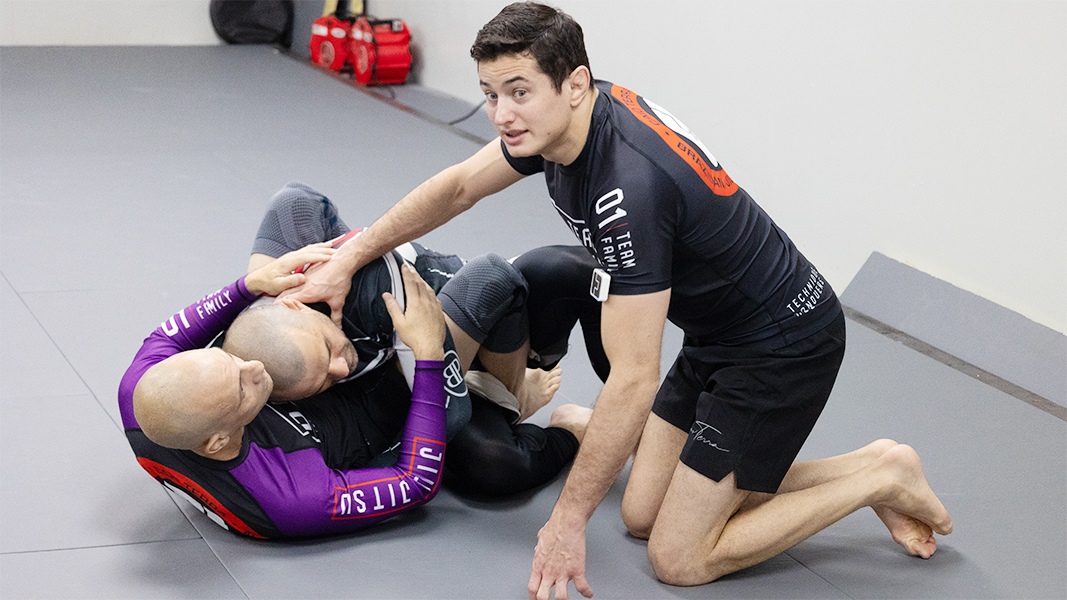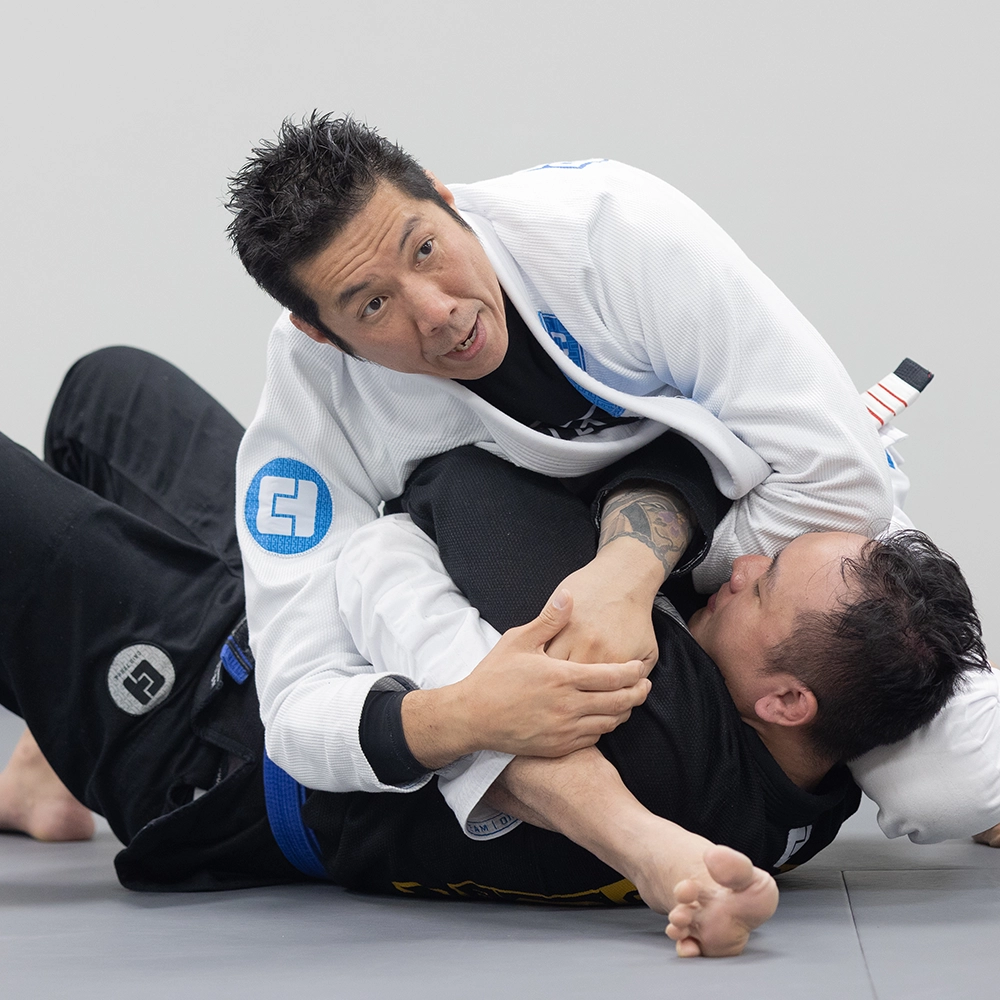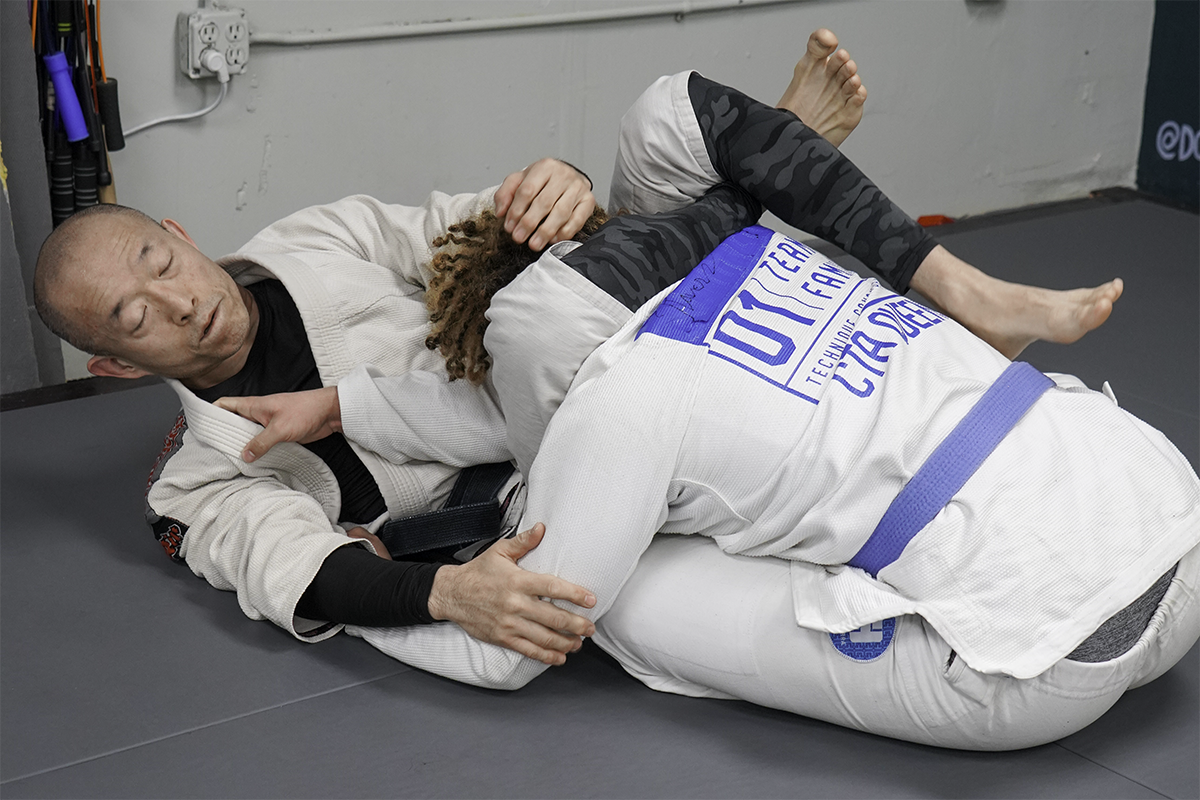
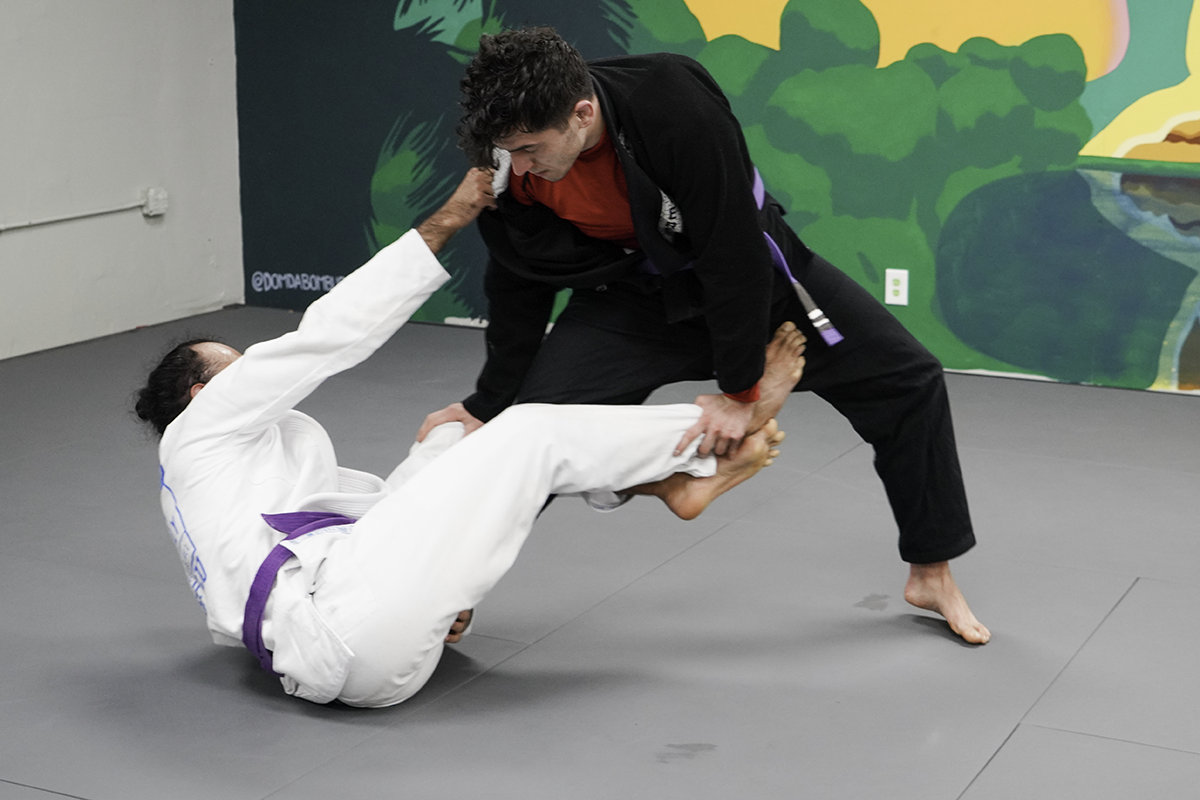

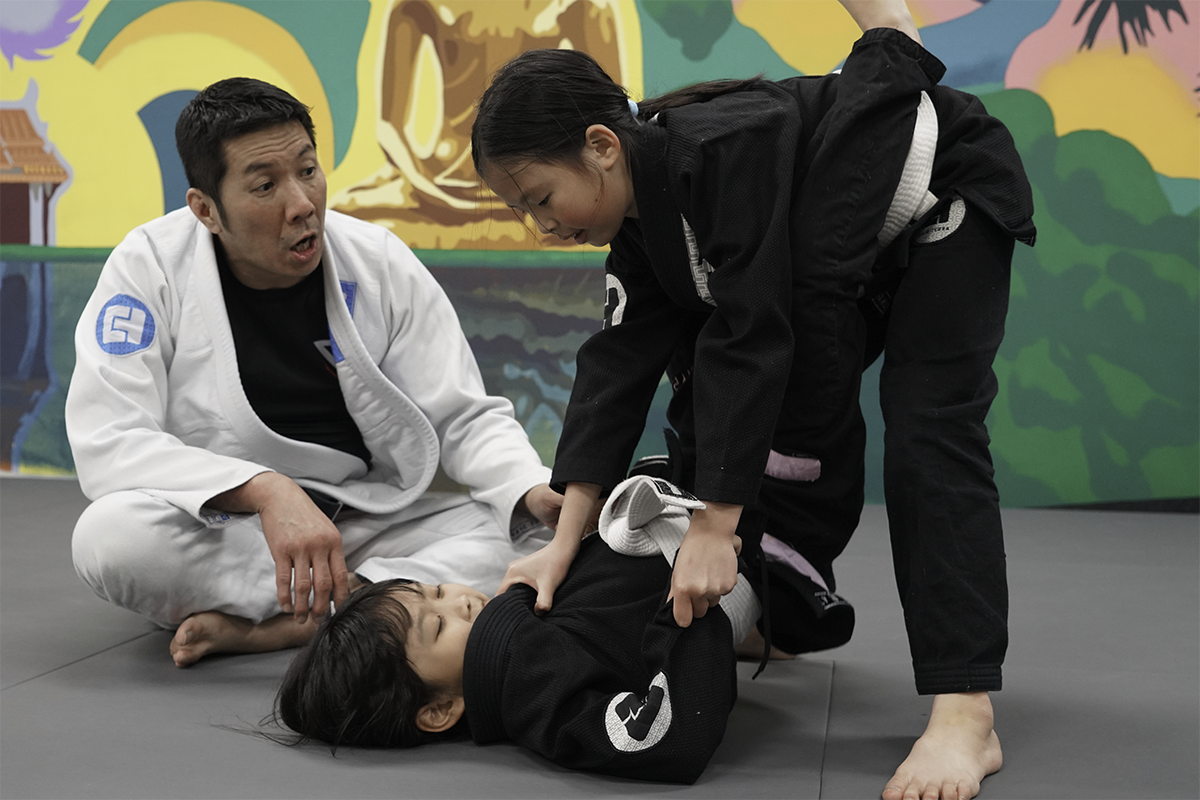

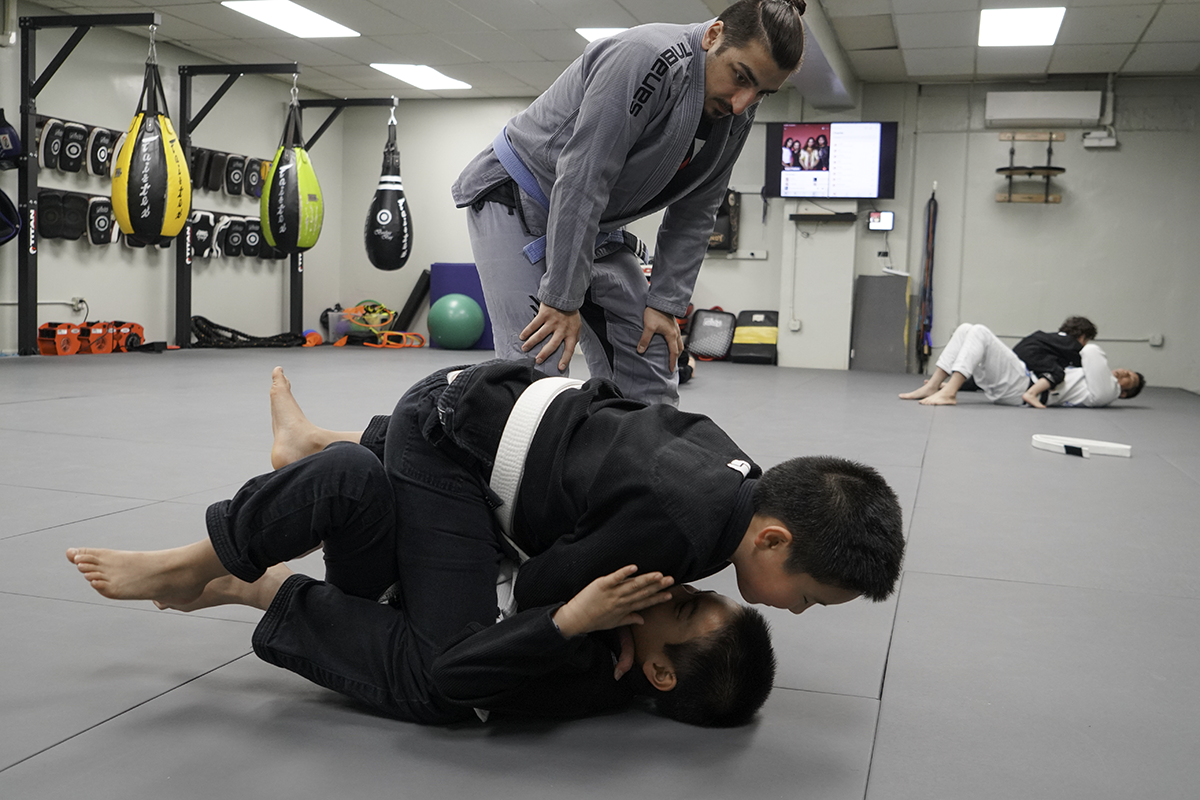
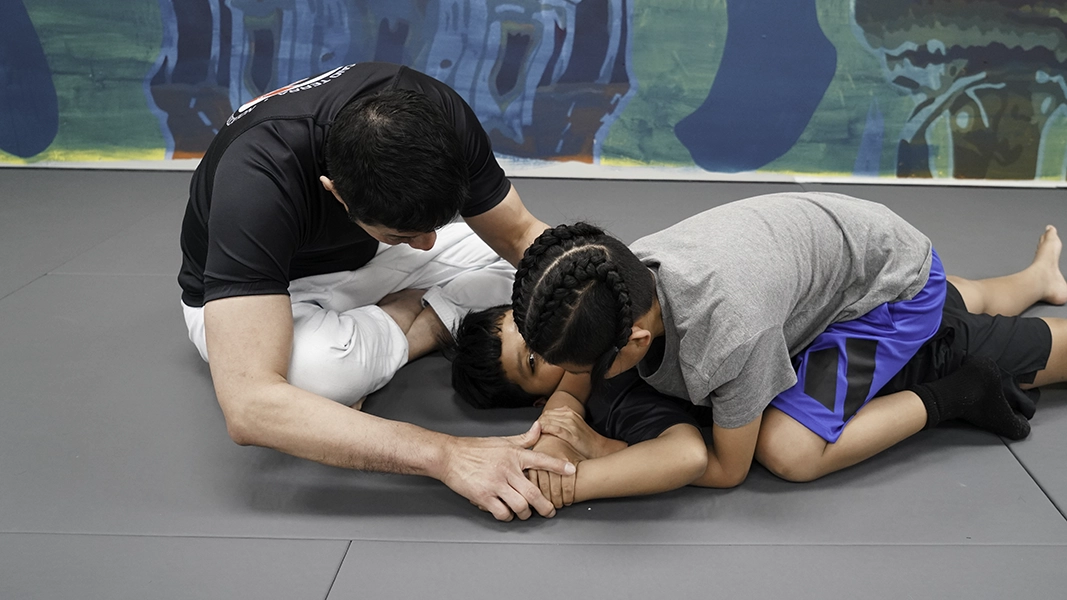
Earning a black belt in Brazilian Jiu-Jitsu is widely regarded as one of the most challenging achievements in martial arts. Under standards recognized by the International Brazilian Jiu-Jitsu Federation, it typically takes eight to twelve years — and often longer — of consistent training to reach black belt.
Brazilian Jiu-Jitsu is intentionally structured as a long-term journey. Advancement is not based solely on athletic performance or competition success. Instead, the belt system rewards deep technical knowledge, the ability to apply techniques under live resistance, time spent developing maturity in each rank, and overall consistency on the mat. Teaching ability and leadership within the academy also become increasingly important as students progress toward higher levels.
Unlike martial arts systems that promote rapidly, BJJ places heavy emphasis on time in grade. Each belt level requires years of refinement, ensuring that when someone earns a black belt, it represents not just skill, but experience, resilience, and a comprehensive understanding of the art.
For students training in Queens, this long-term progression is part of what makes Brazilian Jiu-Jitsu so respected worldwide. Progress cannot be rushed — and that deliberate pace is exactly what gives the black belt its meaning and value.